
Anti-ageing usually starts with skincare. A new serum. A stronger retinol. Maybe an eye cream because those lines around the eyes suddenly seem to have appeared overnight. But skin is only part of the picture. How someone looks as they get older is also tied to sleep, diet, exercise, stress, sun exposure and general health. Even the smile changes with age, and that can have more of an effect on the face than people realise. The good part? None of this requires a complicated routine.
Start with Sleep
Before spending a fortune on another skincare product, look at the amount of sleep happening every night. It usually shows when there are too many late nights. It’s difficult to cover up tired-looking skin, puffy eyes, dark bags under the eyes, and an overall exhausted face. Sleep allows the body to heal and rebuild itself. Skin is part of that process.
For most individuals, seven to nine hours is a fair goal. Additionally, rather than thinking of weekdays and weekends as two entirely separate schedules, it’s better to maintain about the same sleeping and waking periods. Life does, of course, occasionally get in the way. One bad night isn’t going to suddenly age anyone. A habit of bad sleep is another matter.
What’s on the Plate Matters
There’s always some new “anti-ageing” food making the rounds online. There doesn’t need to be. A normal, balanced diet does plenty of the work. Berries, leafy greens, vegetables, nuts and seeds provide antioxidants and other nutrients that support the body’s normal functions. Salmon, avocado and other sources of healthy fats can fit into the picture too.
Then there’s sugar. Eating something sweet is hardly a problem. Constantly eating large amounts of added sugar, however, is not ideal for overall health and can contribute to glycation, which affects proteins including collagen.
So no, dessert doesn’t need to be banned. Just maybe not three times a day.
Get Off the Chair
Exercise is often mentioned in terms of weight or fitness, but there are other aspects as well. Frequent exercise promotes cardiovascular health, muscular strength, and circulation. Additionally, it can help with posture, which affects a person’s appearance even if their facial features remain same. And exercise doesn’t have to mean joining a gym. A fast walk. Cycling to work. Swimming. A few strength sessions during the week. Even taking the stairs more often. Around 150 minutes of moderate activity a week is a useful general guideline for adults, but there’s no prize for making the routine unnecessarily difficult. Doing something regularly beats doing everything perfectly for two weeks.
The Smile Matters More Than It Gets Credit For
Skincare gets most of the attention when people talk about facial ageing. The smile tends to get left out. Teeth naturally experience wear over time. Gum health can change. Missing teeth, decay and other dental problems can affect the appearance of the smile and, in some cases, the support around the lower face. This is why dental appointments shouldn’t only happen after something starts hurting.
Regular examinations can pick up issues earlier, when they’re generally easier to manage. Gum disease, tooth decay and excessive wear can all develop without causing obvious symptoms at first. For people who want to keep dental visits convenient and consistent, Camberwell dental care can be part of that longer-term routine. And there’s something else worth mentioning. A healthy smile can make someone look healthier overall. It sounds simple, but it’s one of those things that becomes very noticeable when it isn’t there.
Drink Enough Water
Hydration advice has somehow become much more complicated than it needs to be. There’s no need to obsess over a huge bottle with hourly targets. Drink regularly. When it’s hot outside or after working out, drink extra. Dehydration may worsen fine wrinkles and make the skin appear dry. There isn’t a magic number that everyone must reach every day because everyone has different fluid demands. Water is useful. So is common sense. And drinking more water doesn’t cancel out the need for moisturiser or sun protection. Those things work differently.
Stress Has a Way of Showing Up
Stress isn’t great for appearance either. Not because one stressful meeting is going to create a wrinkle, but because ongoing stress can affect sleep, eating, exercise and general recovery. Cortisol, the hormone associated with the body’s stress response, is part of that process.
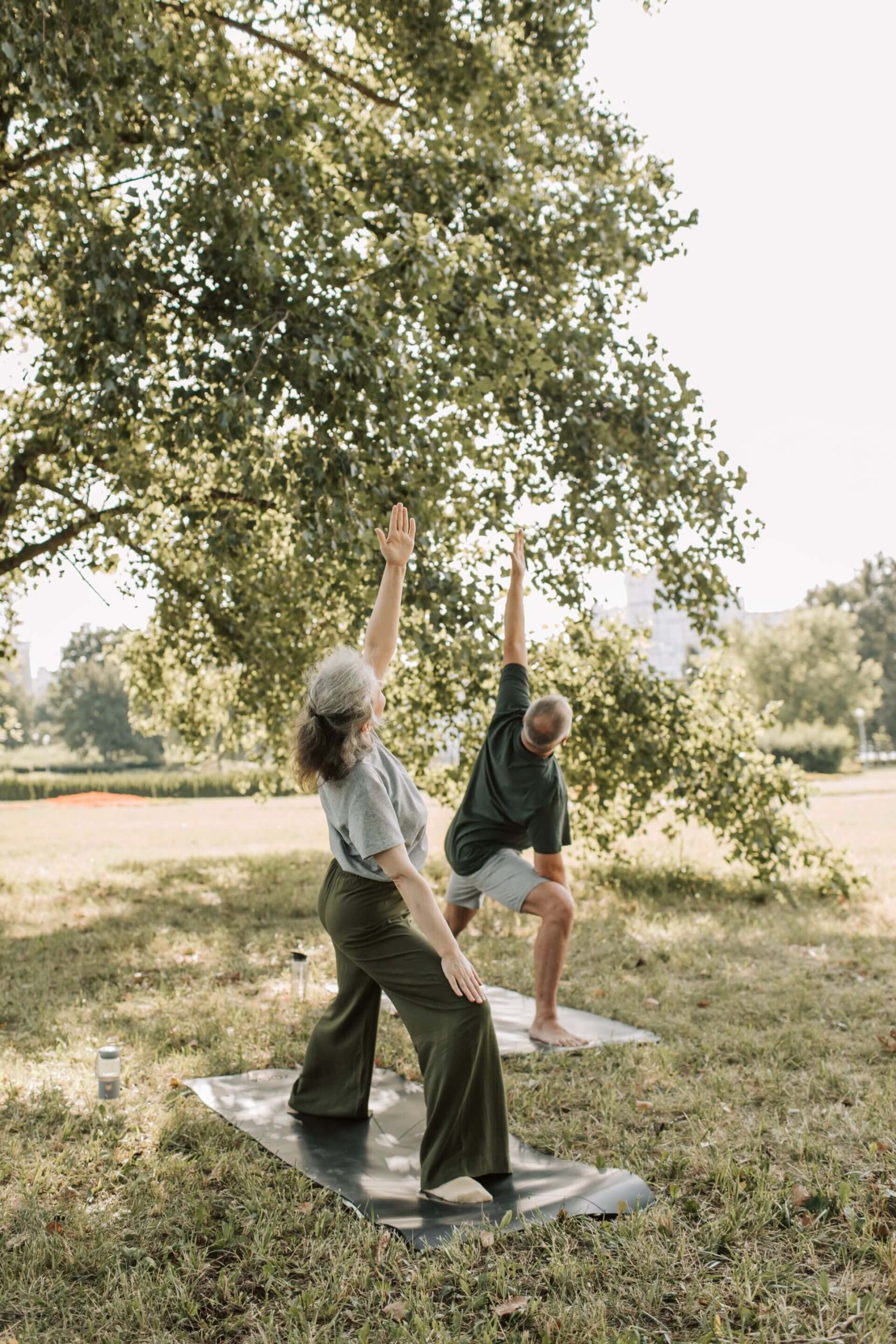
The answer isn’t to eliminate stress. That would be unrealistic. Find ways to switch off instead. A walk after work. A workout. Ten quiet minutes without a phone. Deep breathing. Yoga. Whatever actually helps rather than adding another task to the list.
Sunscreen Still Wins
Frequent UV exposure causes noticeable signs of ageing, such as wrinkles, pigmentation, and changes in the suppleness of the skin. A broad-spectrum, water-resistant sunscreen with SPF 30 or higher is advised by the American Academy of Dermatology. Other helpful things are hats, sunglasses, clothes, and shade.
And sunscreen isn’t just for holidays. Driving. Sitting outside at lunch. Walking around town. Going for a morning run. Those ordinary days count as well.
It’s Mostly the Overlooked and Ordinary Stuff
There’s no dramatic ending to an anti-ageing routine. Most of it is fairly ordinary. Get enough sleep. Eat decent food. Move your body. Wear sunscreen. Drink enough water. Find ways to manage stress. Look after your teeth. All of these habits will not transform a face overnight. That’s probably why they get overlooked. But looking youthful is less about trying to stop ageing and more about keeping the skin, body and smile in good condition as the years go by.
The basics aren’t particularly glamorous. They’re just harder to sell than a new jar of cream.